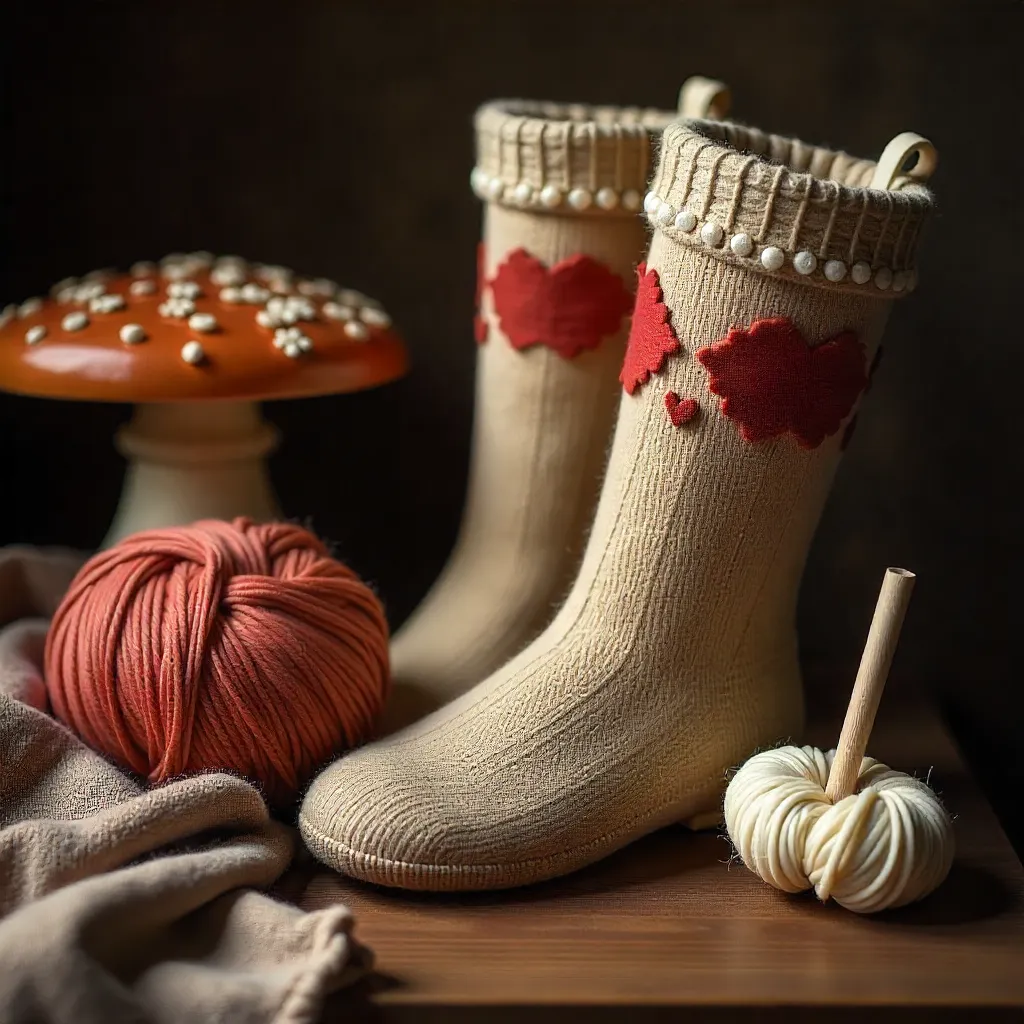
The Art of Making Do

In the quiet corners of Finnish homes, generations of hands have worked with needle and thread, transforming worn fabric into stories of resilience. Traditional Finnish darning is more than repair—it is a meditation on care, a practice of honoring what we have, and a testament to the beauty found in making do.

These techniques, passed down through families, speak to a philosophy where nothing is wasted and everything has value. Each stitch carries intention, each mend becomes part of the garment's history, layering memories into the very fibers of wool.

Here, we explore the tools, methods, and narratives that have kept Finnish wool garments alive for decades. From the smooth curve of a darning mushroom to the precise replication of a knit stitch, we honor the quiet labor that transforms necessity into art.

Essential Tools

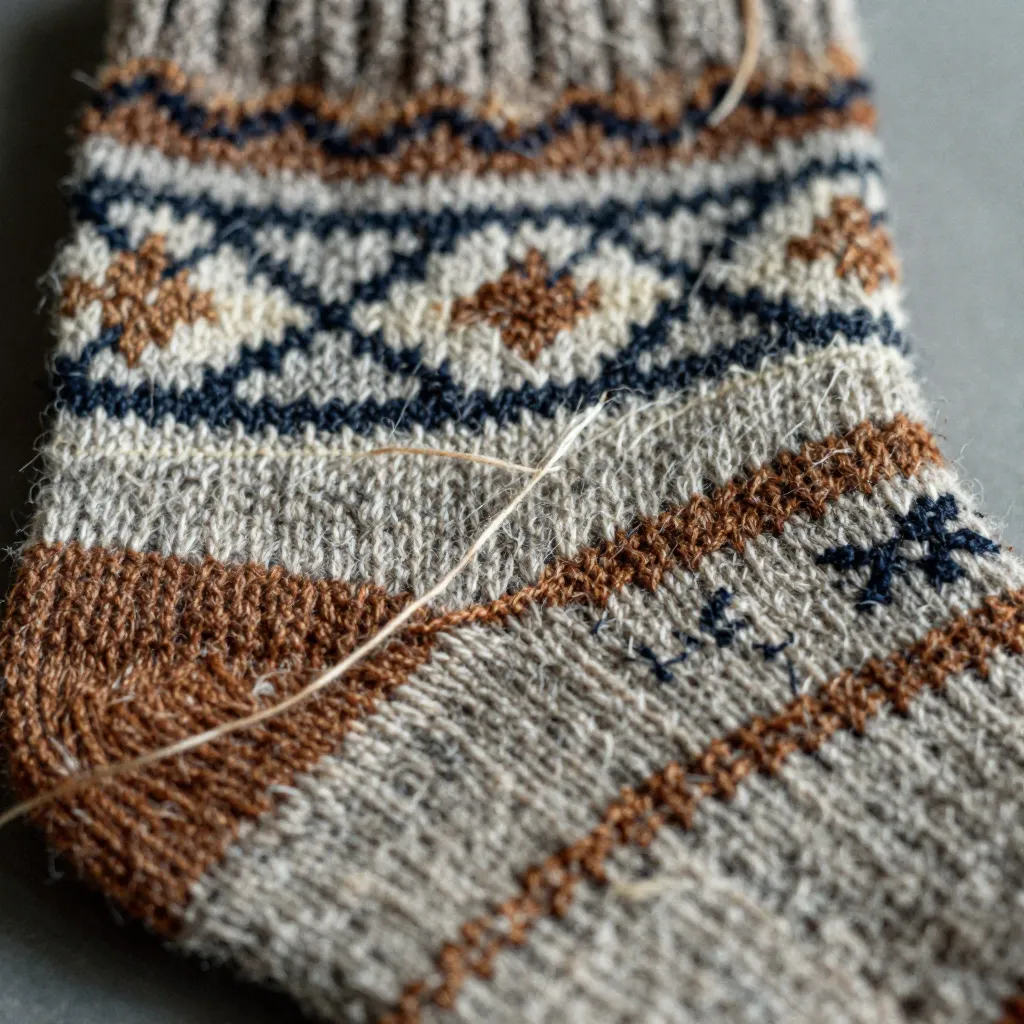
Close-up view of darning stitches on fabric

Darning Mushrooms

The parsinsieni, carved from birch or pine, provides the perfect surface for mending socks and knitwear. Its smooth, hard curve mimics the natural shape of a foot or hand, making repairs seamless.

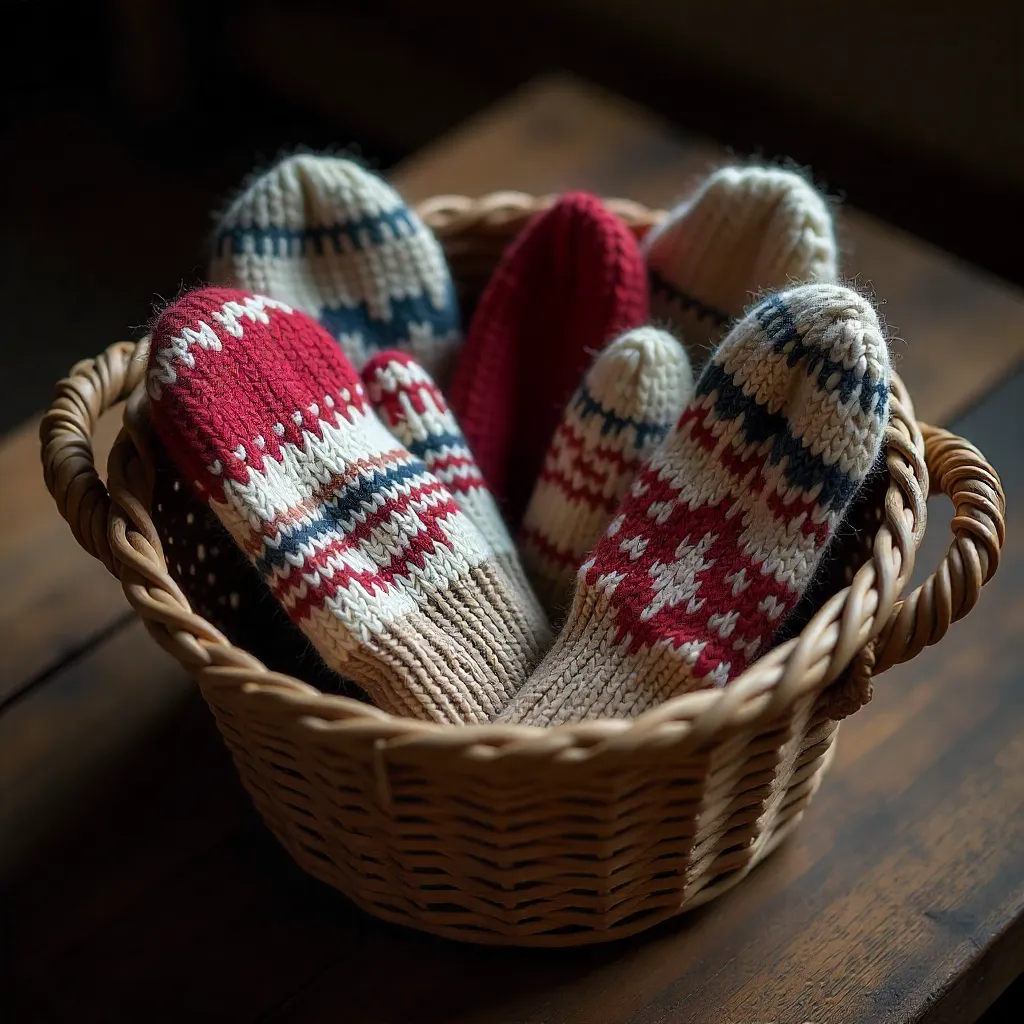
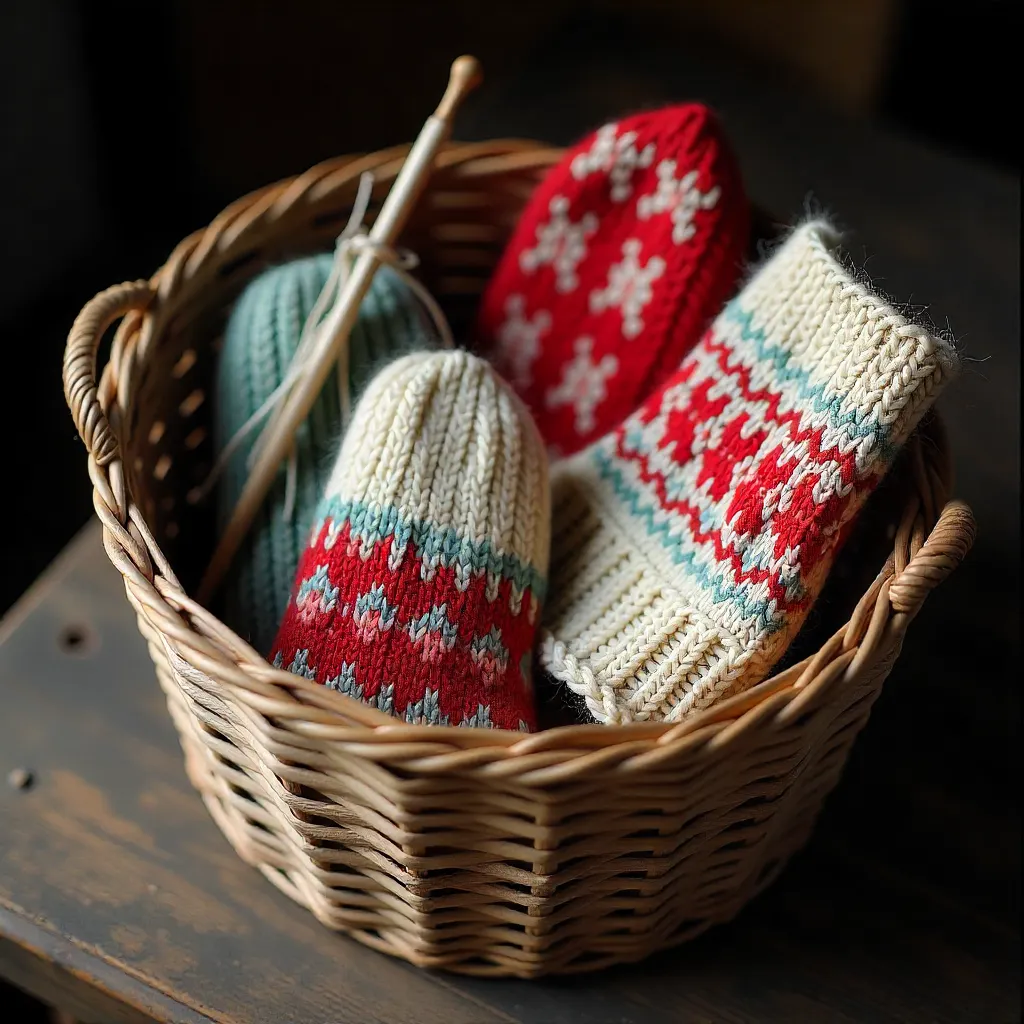
Vintage knitting basket with traditional tools

Mending Wool

Specially spun threads, often dyed with natural materials like lingonberry or birch bark, create repairs that blend invisibly with the original fabric or add intentional contrast.

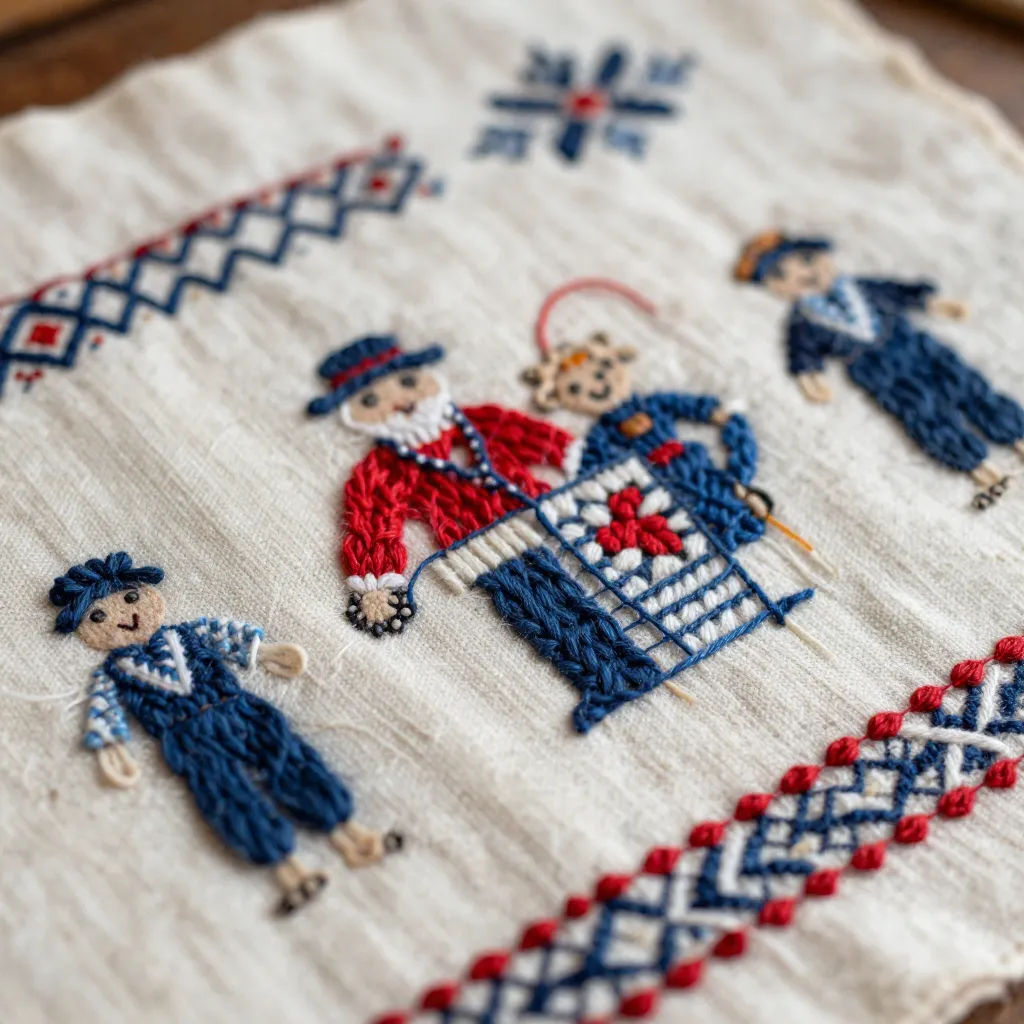
Detailed view of traditional darning technique

Needles & Thread

Fine, sharp needles and strong threads are chosen to match the weight and texture of the garment being repaired, ensuring durability and comfort.

A Living Tradition

Finnish darning traditions emerged from necessity. In a climate where warmth was essential and resources were limited, every garment mattered. The practice of repairing rather than replacing became deeply woven into the culture.

These methods were not taught in formal classes but learned at kitchen tables, watching grandmothers work by lamplight. The knowledge traveled through families, each generation adding their own refinements while preserving the core techniques.

Today, as we seek more sustainable ways of living, these traditional practices offer both practical solutions and a connection to a slower, more intentional way of caring for our belongings.


The Philosophy of Repair

Traditional Finnish darning embodies a philosophy where repair is not failure but transformation. Each mend tells a story—of wear, of care, of time spent. The visible repairs, known as "visible mending," celebrate the history of the garment rather than hiding it.

This approach challenges our modern relationship with consumption. Instead of discarding what is worn, we honor it. We invest time and skill, creating something that is both functional and meaningful. The repaired garment becomes unique, carrying layers of history and care.

In learning these techniques, we connect with a way of living that values resourcefulness, patience, and the quiet satisfaction of making something whole again.

Mastering the Craft

The mastery of Finnish darning comes not from complex techniques, but from understanding the relationship between thread, fabric, and intention. Each repair requires careful observation of the original fabric structure.

Beginners learn by watching experienced hands work, noticing the rhythm of the needle, the tension of the thread, and the way each stitch builds upon the last. This knowledge cannot be rushed—it develops through practice and patience.

As skills deepen, crafters develop their own style, adapting traditional methods to their needs while respecting the fundamental principles that have kept these techniques alive for generations.

Choosing the Right Materials

Natural wool threads in various colors

Wool Selection

The choice of wool determines the success of any repair. Traditional Finnish darning uses wool that matches the original garment's weight and texture, ensuring the repair feels natural and wears evenly.

Traditional darning needles and tools

Needle Types

Different repairs require different needles. Blunt-tipped needles work best for duplicate stitch, while sharp needles are essential for woven darning. The right tool makes all the difference.

Color matching for darning repairs

Color Matching

Whether choosing matching colors for invisible repairs or contrasting colors for visible mending, understanding color theory helps create repairs that are both functional and beautiful.

Sustainability Through Repair

In an era of fast fashion and disposable clothing, traditional Finnish darning offers a different path. By extending the life of garments through careful repair, we reduce waste and honor the resources that went into creating them.

Each repaired garment represents hours of skilled labor, both in its original creation and in its ongoing care. This investment of time and attention creates value that cannot be measured in monetary terms alone.

Learning these techniques connects us to a way of living that prioritizes quality over quantity, care over convenience, and the satisfaction of maintaining what we have rather than constantly acquiring new things.