Understanding the structure of knit fabric is essential to invisible repairs. Each technique in Finnish darning tradition serves a specific purpose, from replicating the exact "V" shape of a knit stitch to creating decorative patterns that celebrate the repair itself.
Swiss Darning: The Duplicate Stitch
Swiss Darning, also known as duplicate stitch, is the technique most prized for invisible repairs. The method involves following the existing knit structure, replicating each "V" shape of the original stitch with a needle and thread.
The process requires careful observation. First, you must identify the direction of the knit—whether it's stockinette, garter, or ribbing. Then, using a blunt-tipped needle, you follow the path of the original yarn, creating an identical stitch on top of the damaged area.
This technique works best for small holes or worn areas where the surrounding fabric is still intact. The key is matching the yarn weight and color precisely, though some crafters intentionally use a slightly different shade to create subtle texture.
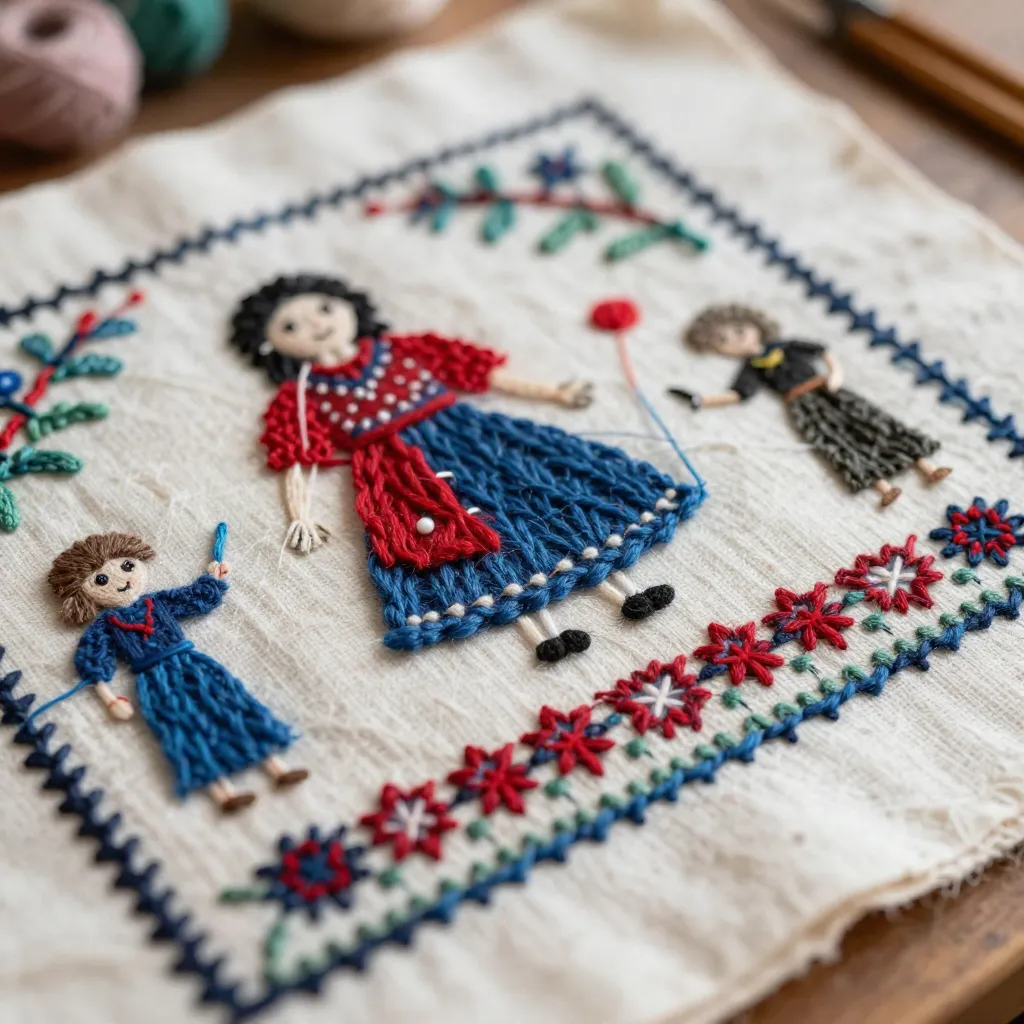
Woven Darning: Building New Fabric

When a hole is too large for duplicate stitch, woven darning creates new fabric to fill the gap. This technique involves building a grid of warp and weft threads, then weaving them together to create a stable patch.
The process begins by anchoring threads around the perimeter of the hole, creating a foundation. Then, parallel threads are laid across the gap in one direction, followed by perpendicular threads that weave over and under, creating a tight, durable fabric.
Traditional Finnish darning often uses a slightly different tension than the original knit, creating a subtle texture difference that becomes part of the garment's character. The woven patch should be slightly larger than the hole, with edges that blend into the surrounding fabric.
Visible Mending: Celebrating the Repair
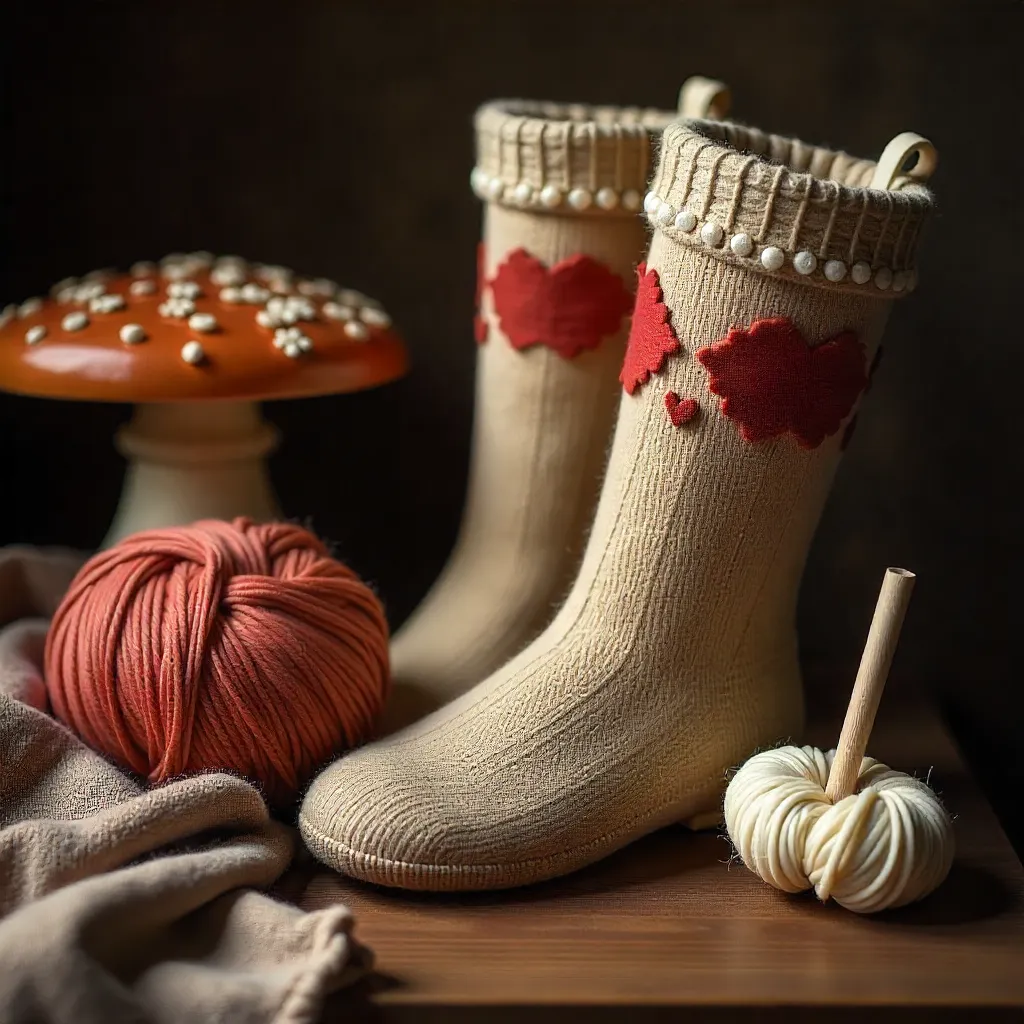
Not all repairs need to be invisible. Visible mending, or "kintsugi" for fabric, celebrates the history of the garment by making repairs a decorative element. This approach is deeply rooted in Finnish traditions, where practicality meets artistry.
Visible mends might use contrasting colors, creating patterns like stars, flowers, or geometric shapes. Some crafters use embroidery techniques to transform holes into decorative elements, adding personal touches that tell the story of the repair.
This philosophy challenges the idea that repairs should be hidden. Instead, it honors the wear and care that garments receive, creating pieces that are both functional and beautiful in their uniqueness.
Choosing the Right Method
Small Holes
For holes smaller than a coin, Swiss Darning is ideal. The duplicate stitch technique creates an invisible repair that maintains the original fabric's drape and texture.
Large Holes
Woven darning provides the strength needed for larger gaps. The grid structure creates a stable foundation that can withstand regular wear.
Decorative Repairs
Visible mending transforms damage into design. Use contrasting colors and patterns to create repairs that are both functional and artistic.
Understanding Stitch Patterns
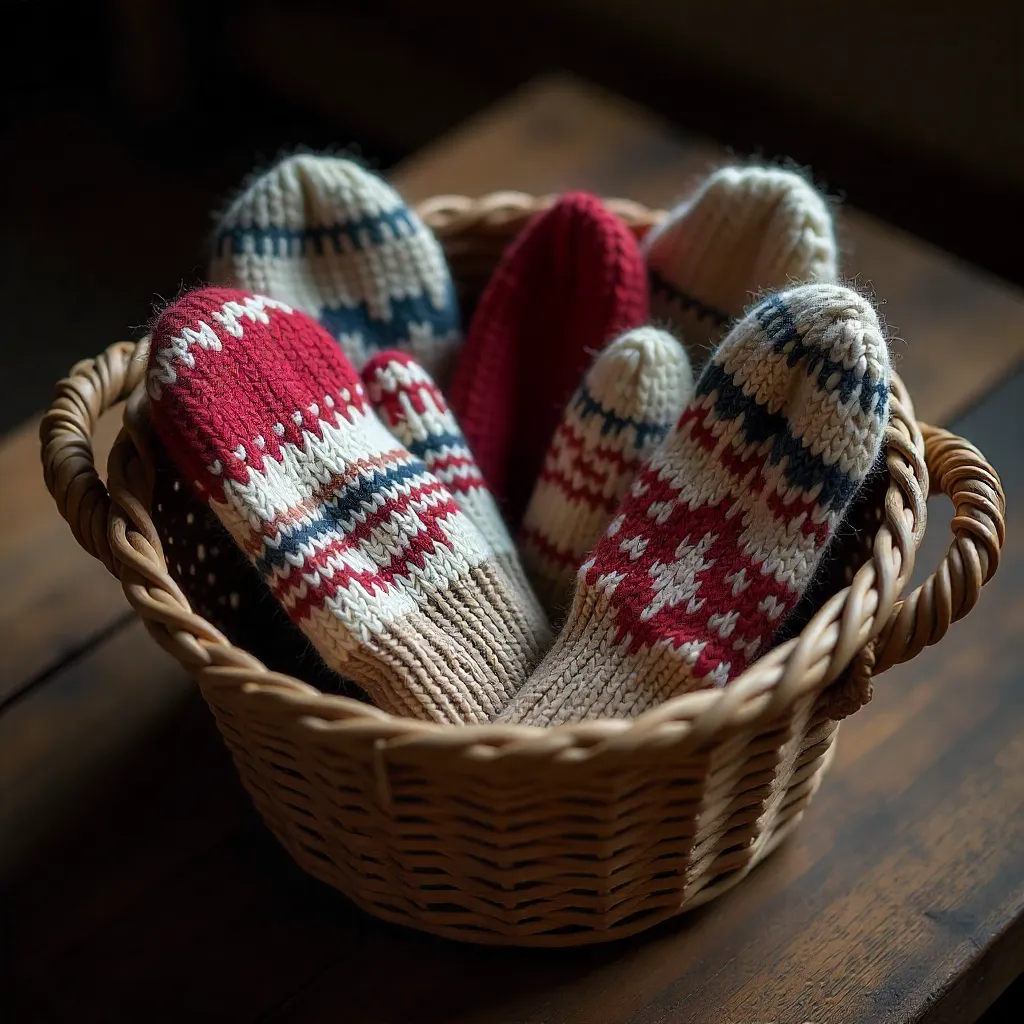
Stockinette Stitch
The most common knit pattern, stockinette creates the classic "V" shape that duplicate stitch replicates. Understanding this structure is essential for invisible repairs.
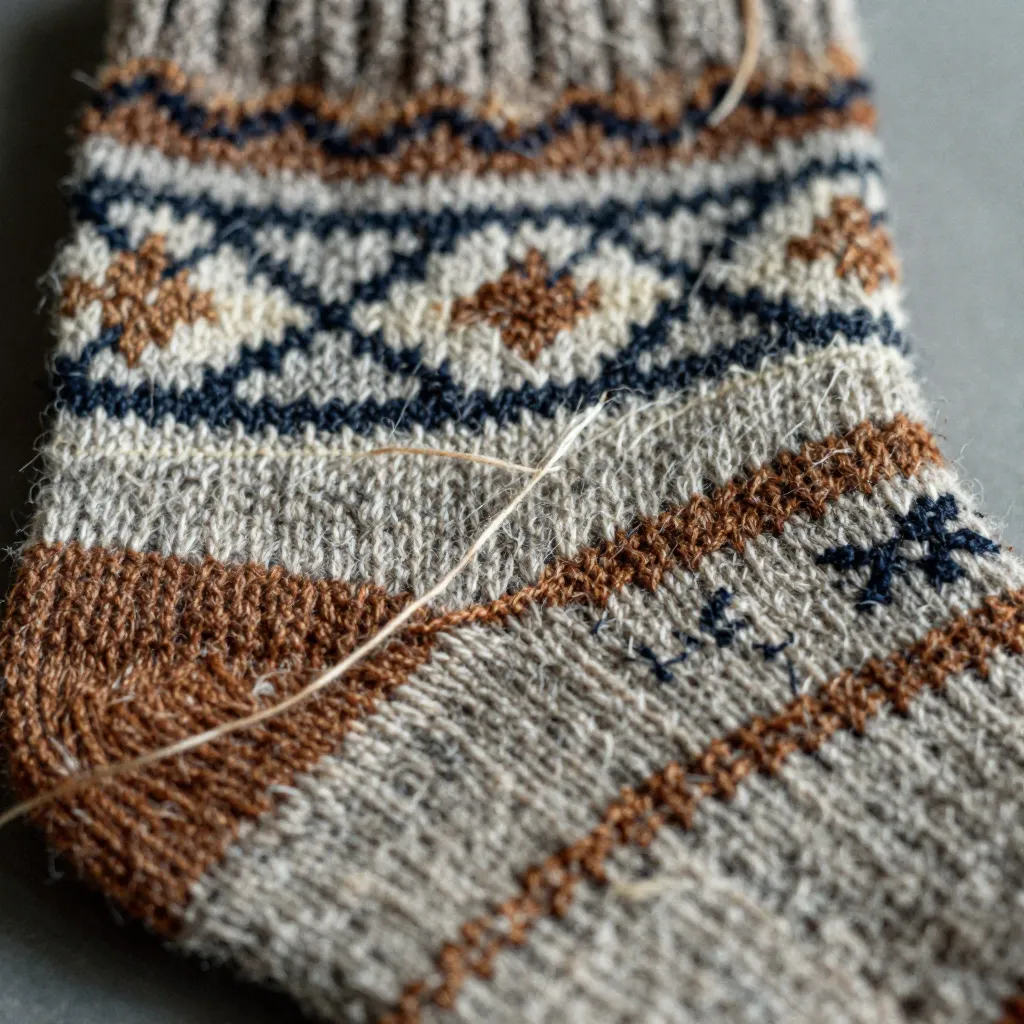
Garter Stitch
Garter stitch has a different texture and requires a modified approach to duplicate stitch. The horizontal ridges create a unique challenge for matching repairs.
Ribbing
Ribbed patterns require careful attention to maintain the vertical columns. Repairs must follow the rib structure to remain invisible.
Mastering Tension
Tension is perhaps the most critical aspect of successful darning. Too tight, and the repair will pucker and pull on the surrounding fabric. Too loose, and it won't provide the necessary support.
Traditional Finnish crafters develop a feel for proper tension through practice. The goal is to match the original fabric's tension as closely as possible, creating a repair that feels natural when worn.
Beginners often err on the side of too tight, thinking tighter means stronger. In reality, matching the original tension creates the most durable and comfortable repairs.

Combining Darning with Embroidery
Many Finnish crafters combine traditional darning with embroidery techniques, creating repairs that are both functional and decorative. This approach allows for creative expression while maintaining the garment's usefulness.
Common decorative elements include geometric patterns, floral motifs, and abstract designs. These patterns can cover larger areas or highlight specific repairs, turning damage into design features.
The key is ensuring the decorative elements don't compromise the repair's durability. The foundation should still be sound darning, with embroidery adding visual interest on top.
Mastering the Techniques
Like any craft, darning improves with practice. Start with simple repairs on garments you don't mind experimenting with. Pay attention to tension—too tight and the repair will pucker; too loose and it won't provide adequate support.
Study the original fabric before beginning. Notice the direction of the knit, the weight of the yarn, and the color variations. Matching these details makes the difference between a visible repair and one that blends seamlessly.
Most importantly, be patient. Traditional Finnish darning is not rushed work. It's a meditative practice that requires attention and care. Each stitch is an investment in the garment's future, and in the tradition of making do with what we have.