Every craftsperson knows that the right tool makes all the difference. In Finnish darning traditions, the tools are simple yet perfectly designed for their purpose. Each piece in the darning kit has been refined over generations, shaped by countless hands working to preserve and repair wool garments.
Parsinsieni: The Darning Mushroom

The parsinsieni, or darning mushroom, is perhaps the most iconic tool in Finnish mending traditions. Carved from a single piece of wood, its smooth, rounded surface provides the perfect foundation for repairing socks, gloves, and other knitwear.
Traditional makers prefer hardwoods like birch, pine, or oak. These woods are dense enough to create a firm surface that doesn't give under pressure, yet smooth enough that the fabric glides easily over the surface. The handle, often left natural or polished to a satin finish, fits comfortably in the palm.
The shape is crucial—the curve of the mushroom mimics the natural contours of a foot or hand, allowing the darning to follow the garment's original form. This attention to ergonomics reflects the practical wisdom embedded in these tools.
Woods of Choice
Birch
The most common choice for darning mushrooms. Birch is hard, smooth, and readily available in Finnish forests. Its pale color shows fabric clearly, making it easier to match stitches and colors during repair work.
Pine
Softer than birch but still durable, pine mushrooms are often carved by hand. The wood's natural grain adds character, and many crafters prefer the warm tone that pine develops over years of use.
Oak
The most durable option, oak mushrooms are heirloom pieces passed down through families. The dense wood creates an exceptionally firm surface, ideal for heavy-duty repairs on thick wool garments.
A Complete Kit

A well-used darning mushroom shows the patina of years of careful work.
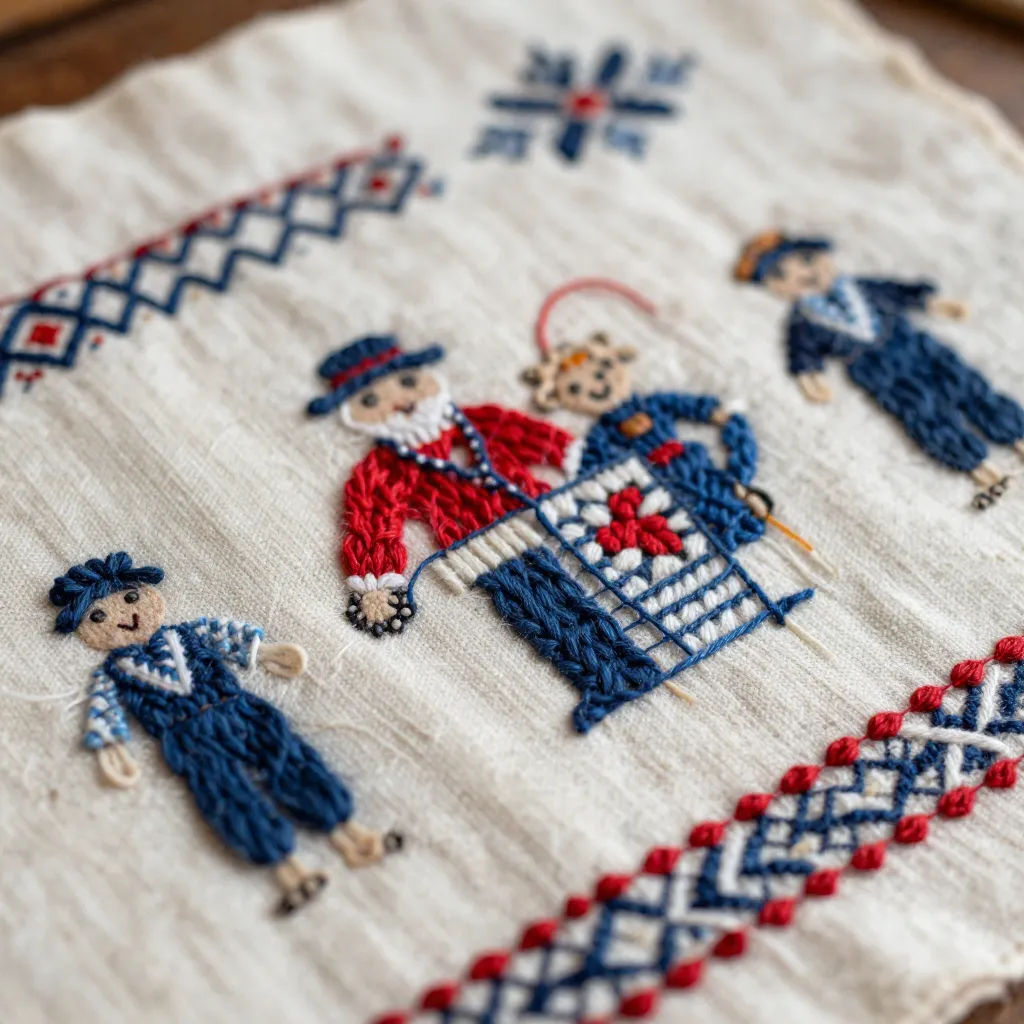
Fine needles and mending wool, chosen to match the weight of the garment.
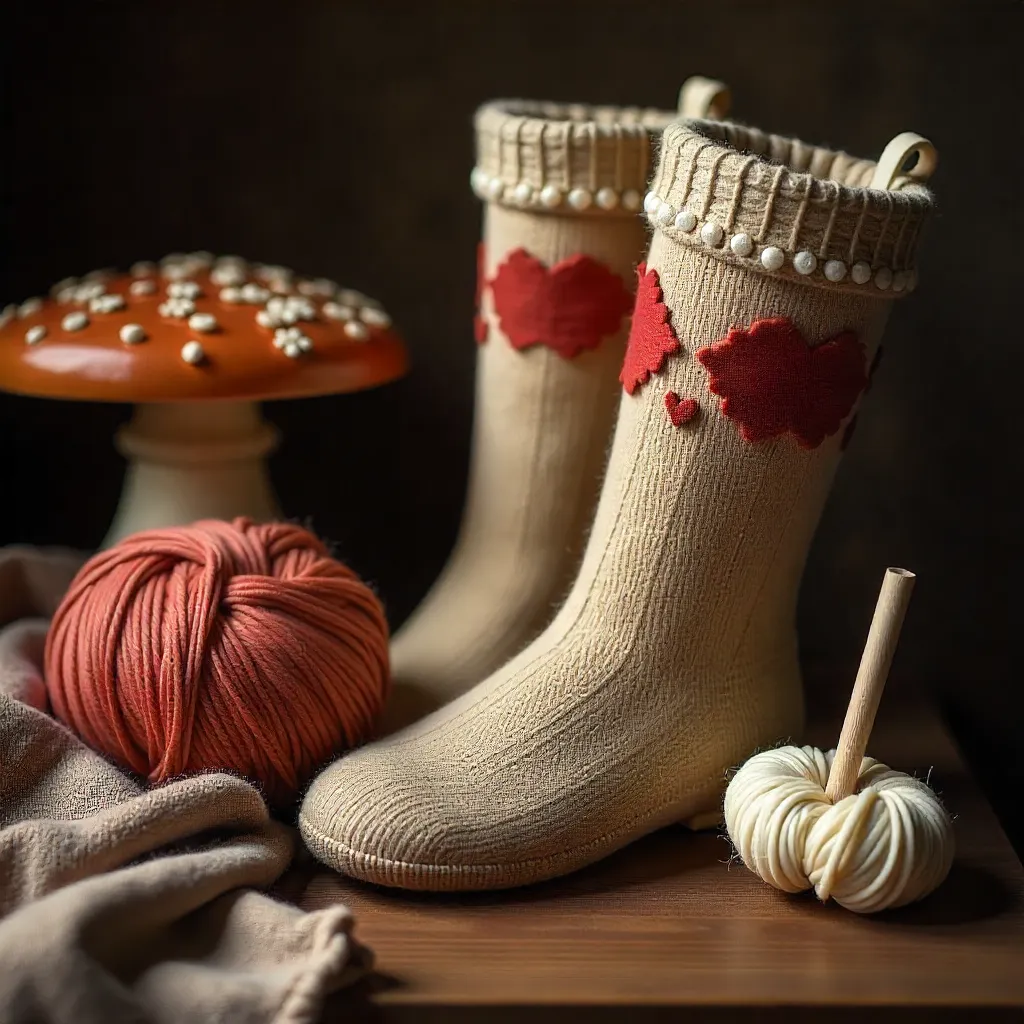
The complete kit includes mushroom, needles, thread, and sometimes a small thimble.
Selecting the Right Needles
Needle selection is crucial for successful darning. Blunt-tipped needles, often called tapestry needles, are preferred for duplicate stitch work because they separate yarn strands without cutting them.
Sharp needles are essential for woven darning, where you need to pierce the fabric cleanly. The size should match the yarn weight—too large and the repair will be visible; too small and the work becomes unnecessarily difficult.
Traditional Finnish crafters often keep a variety of needle sizes in their kits, allowing them to match the tool to the specific repair at hand.
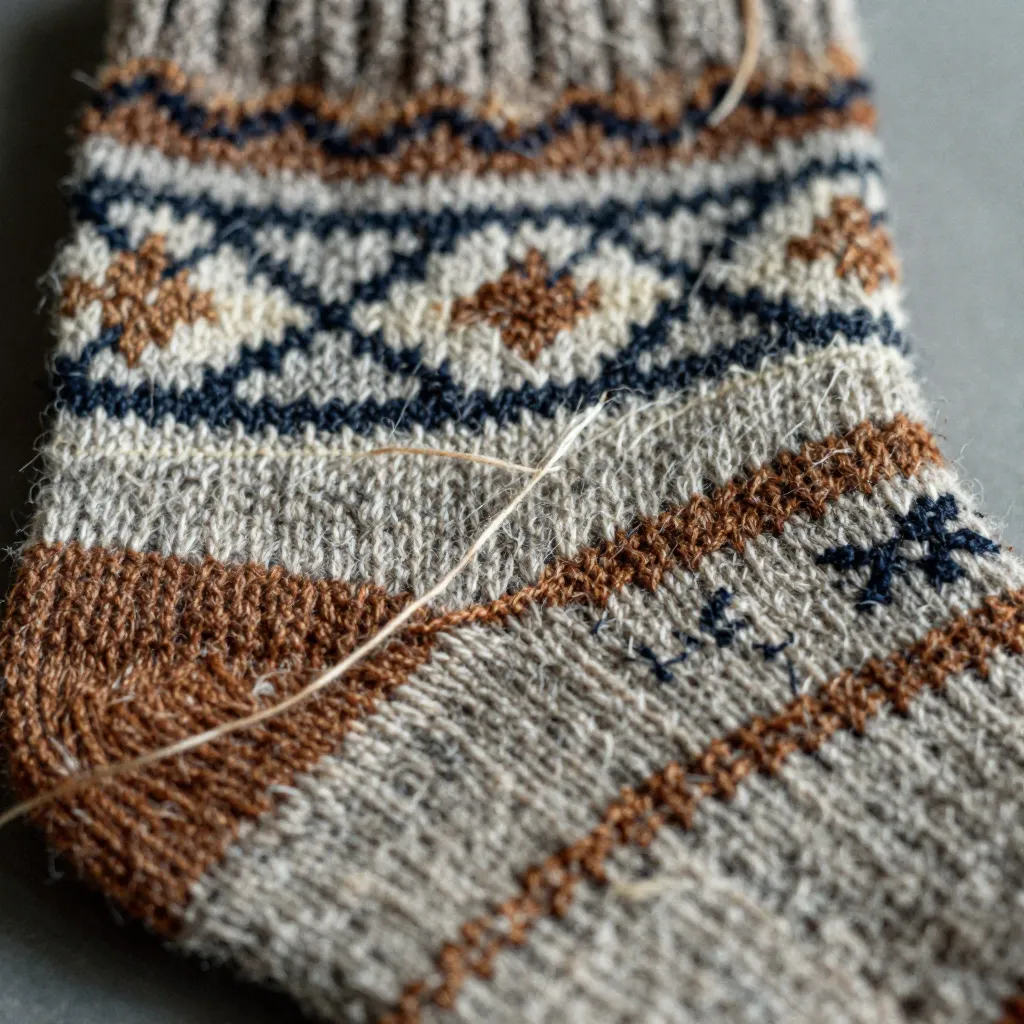
Organizing Your Mending Wool
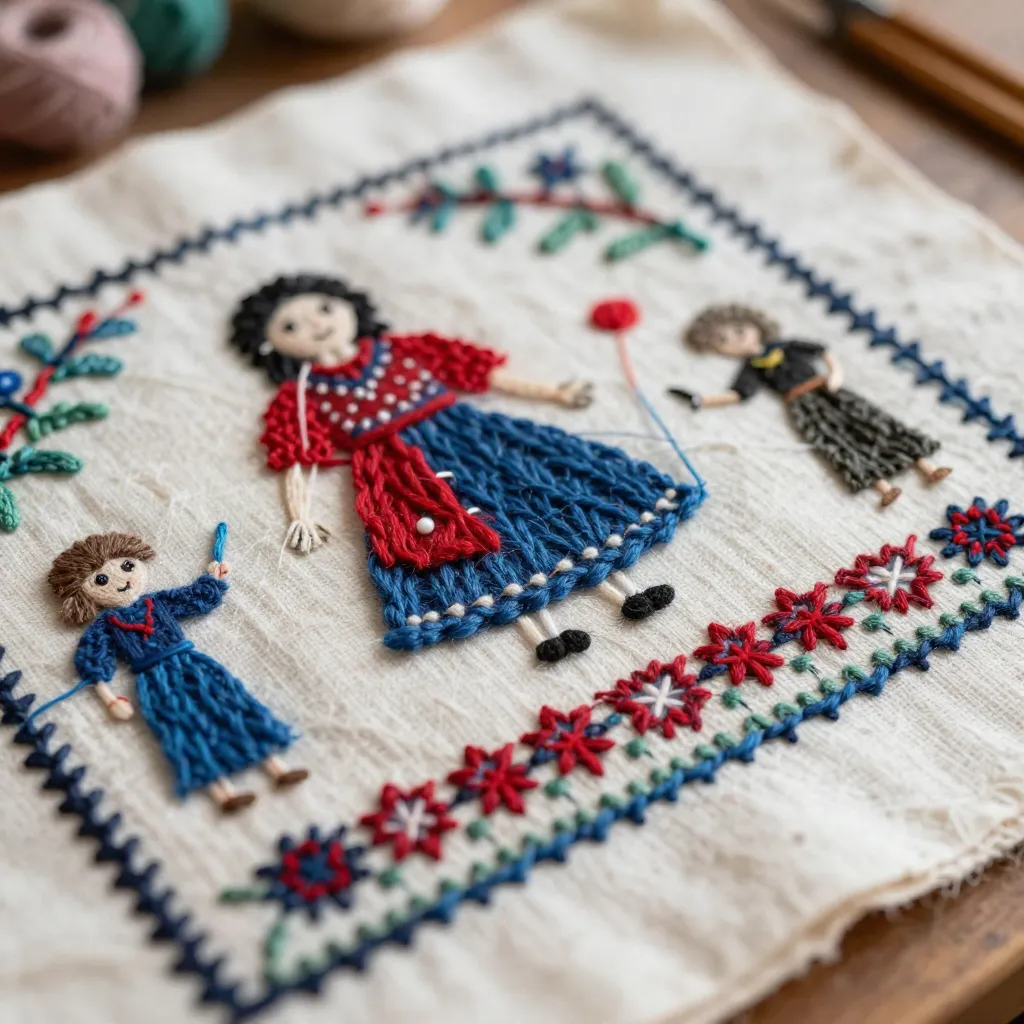
Color Organization
Keeping threads organized by color makes matching easier during repairs. Many crafters use small wooden boxes or fabric pouches to store their mending wool collection.

Weight Matching
Thread weight must match the original garment's yarn. Keeping samples of different weights helps ensure the right choice for each repair project.
Storage Solutions
Traditional storage methods protect threads from dust and sunlight while keeping them easily accessible. Small tins, wooden boxes, or fabric wraps all serve this purpose well.
Caring for Your Tools
These tools are designed to last generations, but they require proper care. Wooden mushrooms should be kept dry and occasionally polished with a natural oil like linseed or walnut oil. This prevents cracking and maintains the smooth surface essential for good darning work.
Needles should be stored in a dry place, ideally in a small tin or fabric case to prevent rust. Many traditional kits include a small piece of emery cloth for keeping needles sharp and clean.
The most important care, however, is regular use. Like any tool, these pieces improve with handling. The wood develops a patina, the surface becomes smoother, and the tool becomes an extension of the craftsperson's hand.
Building Your Own Kit
Starting your own darning kit doesn't require expensive tools. Begin with a simple wooden mushroom, a few needles in different sizes, and a small selection of mending wool in colors that match your most-worn garments.
As you develop your skills, you'll naturally expand your collection. You might add specialized needles, a wider range of thread colors, or even carve your own darning mushroom if you have woodworking skills.
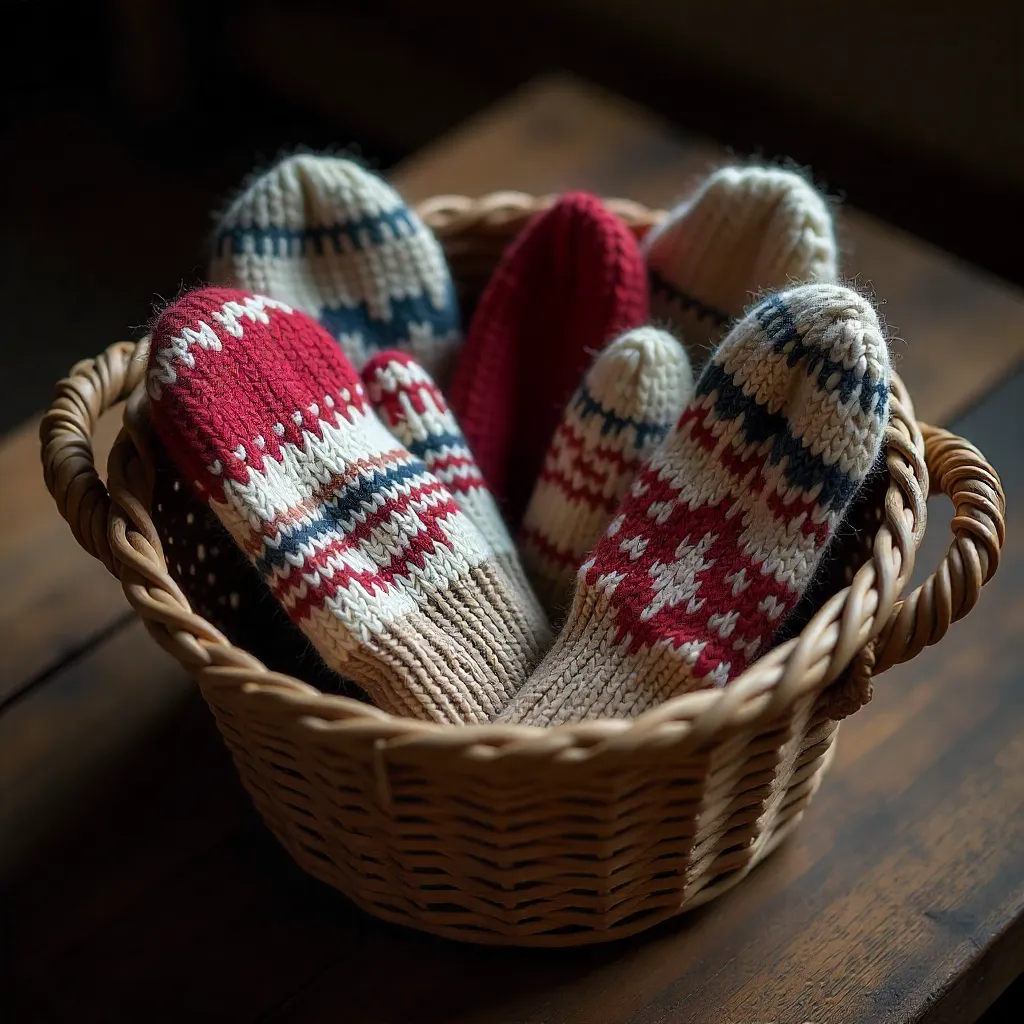
The beauty of these tools lies in their simplicity. A complete kit fits in a small basket or box, yet contains everything needed to maintain wool garments for a lifetime.